
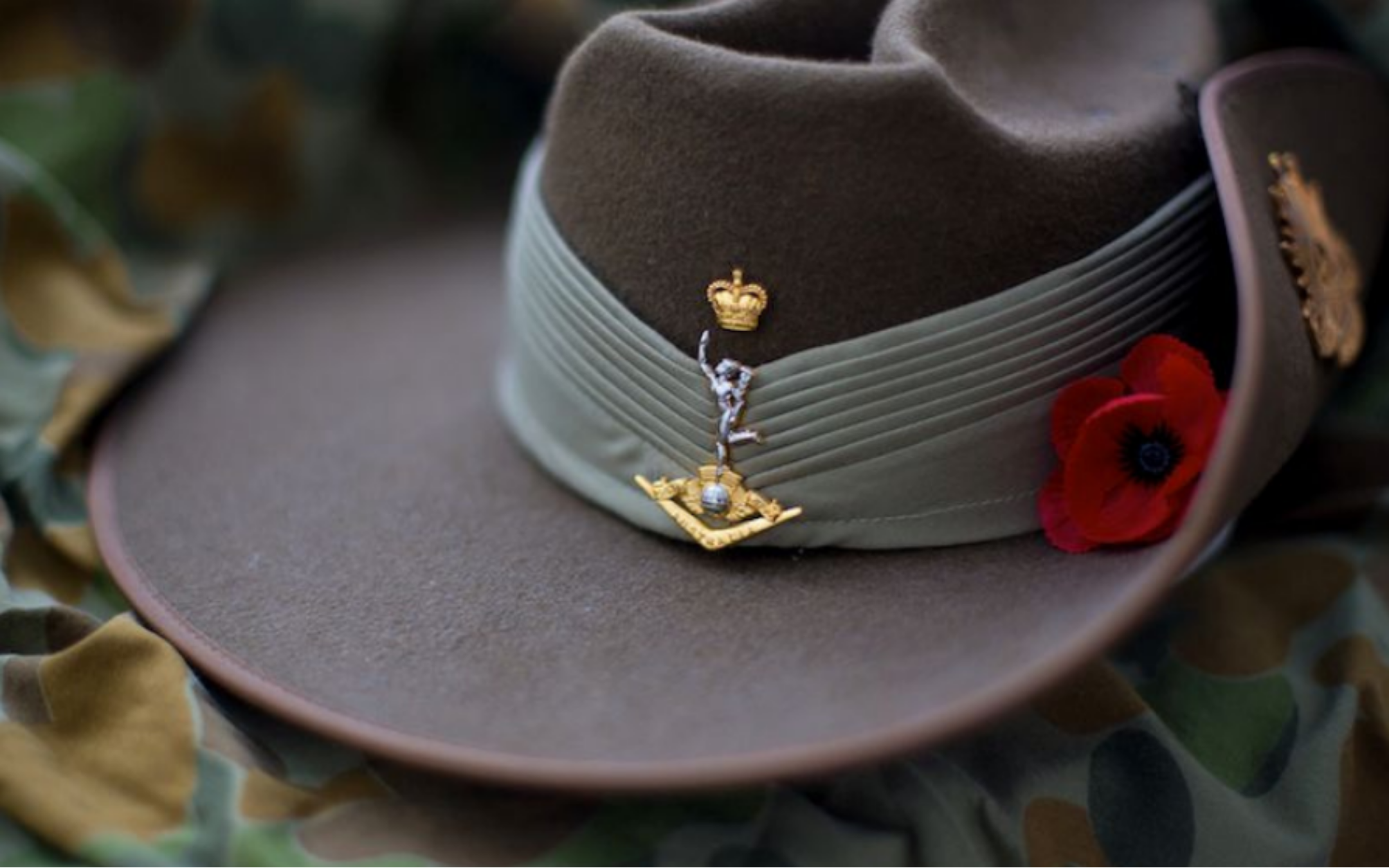
Beyond the anniversary of the Gallipoli landing in 1915, ANZAC Day is a chance to reflect and appreciate the selfless bravery of our fallen soldiers.
Every year on April 25, in the dark hours before daybreak, Australians and New Zealanders gather at dawn vigils to commemorate the enduring spirit of our ANZAC servicemen and servicewomen.
It is difficult to say when the first dawn services were held, with the symbolic gesture having grown through folklore and received wisdom from those early years. Its significance today shapes our sense of national identity and marks the beginning of a day for remembrance.
The significance of dawn:
- The Australian and New Zealand forces landed at Gallipoli at dawn on April 25, 1915.
- After the First World War, returned soldiers sought the comradeship they had felt in those quiet, peaceful moments before dawn.
- The dawn service is said to have its origins in a strategic military routine where the half-light of dawn was one of the favoured times for launching an attack. Known as the ‘stand-to’ position it is a technique still followed by the Australian Army.
- In 1927 a group of returned men came upon an elderly woman laying flowers at the Sydney Cenotaph at dawn. Joining her in this private remembrance, the men later resolved to institute a dawn service the following year. Some 150 people gathered at the Cenotaph in 1928 and this is generally regarded as the beginning of organised dawn services.
Over the years, the ceremonies have developed into their modern forms and have seen an increased association with the dawn landings of April 25, 1915.
Find details of your local ANZAC Day service and other commemorative events on the RSL Australia website.
Lest we forget.